

.jpg)
The Angkor Archaeological Park is one of the largest and most remarkable archaeological sites in the world, preserving the heart of the ancient Khmer Empire. While Angkor Wat is its most famous monument, the wider landscape contains hundreds of temples connected by ancient roads, reservoirs, and forests.
Where Is the Angkor Wat Temple Located Within the Ancient City?
Angkor Wat Lies at the Southern End of the Angkor Archaeological Park
Ever wonder where is the Angkor Wat Temple located? It occupies the southern section of the Angkor Archaeological Park, making it one of the first major temples visitors encounter after entering through the main ticket checkpoint.
Today, this location remains convenient for modern travellers beginning their exploration of the archaeological park. Wide access roads and clear signage make reaching the temple straightforward, while its position provides an excellent starting point for exploring the surrounding monuments.
The Temple Sits Near Many of Angkor's Famous Landmarks
Angkor Wat is surrounded by several of Cambodia's best-known historical sites, many of which can be reached within a short drive. Nearby attractions include Angkor Thom, Bayon, Ta Prohm, Baphuon, and the Terrace of the Elephants, each offering its own architectural style and fascinating history.
Exploring these landmarks together also provides a broader understanding of how the Khmer Empire developed over several centuries. Each temple reflects different rulers, religious influences, and construction techniques that shaped the ancient capital.
Easy to Explore Other Major Temples
Because Angkor Wat sits close to the centre of the park's main visitor routes, it naturally connects with both the Small Circuit and the Grand Circuit. Visitors can easily continue towards lesser-known temples or return to Siem Reap without retracing long sections of road. This flexibility makes it suitable for both short visits and full-day itineraries.
Siem Reap Temple Geography Shapes Every Temple Route
The layout of the archaeological park makes it possible to explore multiple temples efficiently with thoughtful planning. Many of Angkor's major temples are clustered into groups connected by well-maintained roads, allowing visitors to travel comfortably between them.
Choosing to explore historical temples with a guide can make these routes even more rewarding. Jaya House sits close to the Angkor World Heritage Site and other heritage sites in Siem Reap. We offer full Siem Reap heritage tours and private Angkor Wat excursions for a seamless cultural experience.
For many travellers, Angkor Wat serves as the natural starting point for temple exploration because of its location near the park's southern entrance. Beginning here allows visitors to experience the famous sunrise before moving on to nearby temples. Starting at Angkor Wat also creates a logical flow through the Small Circuit and beyond. Visitors can easily continue towards Bayon, Ta Prohm, or other important monuments without unnecessary detours.
Despite the vast size of the archaeological park, many of its most famous temples are located surprisingly close to one another. Short driving times between key attractions allow visitors to include several stops within a single itinerary without feeling rushed. Efficient transport options, including remorks, bicycles, and private vehicles, make travelling between temples straightforward.
How to Plan Your Temple Journey Around Angkor
Start Early to Visit the Most Popular Temples
Beginning your day before sunrise remains one of the best ways to experience Angkor Wat and nearby temples. Cooler temperatures make walking far more comfortable, while early arrivals often enjoy quieter conditions for sightseeing and photography. Finishing the busiest locations early also leaves greater flexibility for the rest of the day.
An early start helps visitors avoid the larger tour groups that typically arrive later in the morning. It also creates opportunities to explore additional temples before midday heat becomes more intense.
Match Your Route to the Time You Have Available
Not every visitor has several days to explore Angkor Archaeological Park. One-day itineraries should focus on the most significant temples, while longer visits allow time for quieter monuments and more relaxed sightseeing. Choosing a route that matches your schedule helps prevent unnecessary rushing.
It is often better to fully appreciate a smaller number of temples than attempt to visit too many in one day. Allowing extra time for walking, photography, and rest breaks creates a more enjoyable experience.
Leave Time to Explore Beyond the Main Circuit
Although Angkor Wat deserves its reputation, many rewarding experiences lie beyond the main visitor routes. Smaller temples, peaceful forest paths, and lesser-known archaeological sites provide a different perspective on the ancient Khmer Empire. Exploring these quieter areas often becomes a highlight for returning visitors.
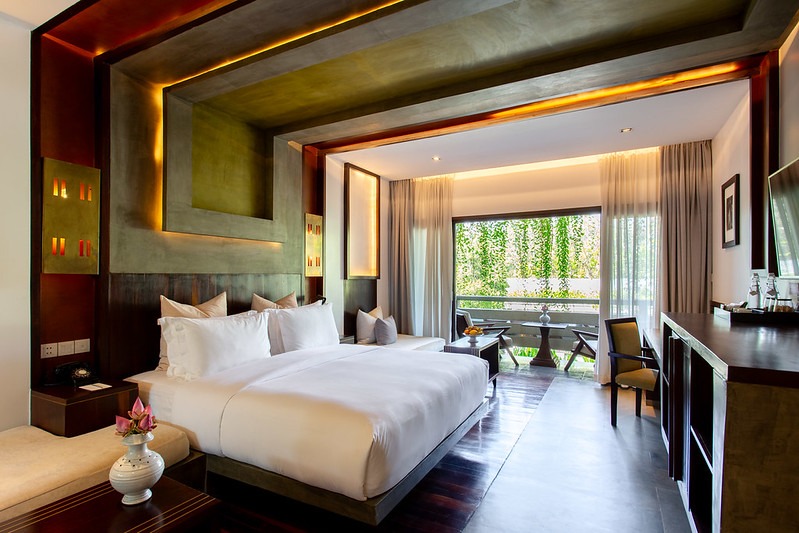
Turn Temple Exploration Into a Relaxing Stay at Jaya House River Park
Exploring Angkor is even more enjoyable when your accommodation is conveniently located near the archaeological park. Jaya House River Park offers a peaceful retreat just outside the busy city centre while providing easy access through our location near the ticket gate, helping guests reach the temples quickly for sunrise visits. This convenient setting allows you to spend less time travelling and more time discovering Cambodia's extraordinary heritage.
After a day of exploring ancient temples, returning to a tranquil riverside hotel provides the perfect opportunity to relax and recharge. Comfortable accommodation, personalised hospitality, and convenient access to Angkor make Jaya House River Park an excellent base for both first-time visitors and returning travellers.
Whether you plan a one-day itinerary or a longer cultural journey, staying at Jaya House River Park helps you experience Angkor at a comfortable and memorable pace.
Frequently Asked Questions
Where is the Angkor Wat temple located?
Angkor Wat is located within the Angkor Archaeological Park, around 6 kilometres north of central Siem Reap, Cambodia. It is easily accessible by tuk-tuk, private car, bicycle, or guided tour from most hotels in Siem Reap.
What should I know about Siem Reap temple geography before visiting?
Understanding Siem Reap temple geography can help you plan a more efficient itinerary. Angkor Wat sits at the southern end of the archaeological park, while nearby temples such as Bayon, Ta Prohm, Banteay Srei, and Preah Khan are spread across different areas.
What are the best Cambodia temple routes for first-time visitors?
The most popular Cambodia temple routes include the Small Circuit, which covers Angkor Wat, Bayon, Ta Prohm, and Baphuon, and the Grand Circuit, which adds temples such as Preah Khan, Neak Pean, and East Mebon.
Is it better to stay in Siem Reap when visiting Angkor Wat?
Yes. Staying in Siem Reap gives you easy access to Angkor Wat and the surrounding archaeological park, while also placing you close to restaurants, markets, museums, and cultural attractions. Many travellers choose boutique hotels such as Jaya House River Park, which offers a peaceful riverside setting just a short drive from the temples, along with curated Angkor tours and convenient transport options.
How many days should I spend exploring Angkor Wat and Siem Reap?
Most visitors spend three to four days in Siem Reap to experience Angkor Wat and other nearby temples without rushing. This allows time to explore the major archaeological sites, enjoy local cuisine, visit museums or floating villages, and unwind after sightseeing. After a day exploring the temples, many guests relax with a traditional Khmer spa treatment or enjoy the tranquil surroundings at Jaya House River Park before continuing their Cambodia journey.

.jpg)
.jpg)

