Cambodia tends to fall into one of two categories on the average traveller's mental map: the country with the temples, or the country one passes through between Bangkok and Saigon. Both readings are wrong, and the better hotels have spent the last decade quietly making the case for why.
The traveller who flies in for three nights and out again is missing the riverside boulevards of Phnom Penh, the modernist villas of Kep, the pepper farms of Kampot, and the slow islands off the southern coast. So the real question of where to stay in Cambodia, Siem Reap included, is a question about itinerary.
Most well-structured trips spend five or six nights in Siem Reap, two in Phnom Penh, and another two or three on the coast. The dry season runs from November to April; and February and March are the loveliest months but the priciest. Domestic flights between Siem Reap and Phnom Penh take under an hour.
Where to Stay in Cambodia, Siem Reap and the Other Stops
Siem Reap for the Temples and the Slow Hours
Siem Reap is where most Cambodia trips begin and where the largest share of nights tend to land. Five days here is the working dose.
Wat Bo and the riverside is where the better boutique-luxury properties have clustered, set back from the noise and ringed by older trees. The Old French Quarter near the Old Market is the central choice for travellers who want walking access to dinner. Charles de Gaulle Boulevard, the road that runs to Angkor, houses the international resort brand.
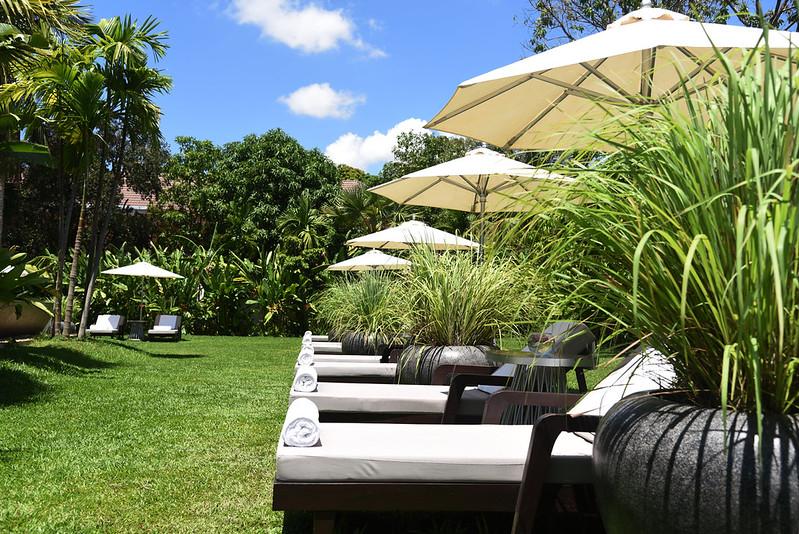
Many travellers tend to settle on Jaya House River Park, a 36-room property along the river in Slor Kram commune, six minutes by tuk-tuk from town and the same to the temple gates. The hotel runs a complimentary tuk-tuk service that quietly removes the geography question. The grounds are full-grown jungle planted by the hotel itself.
Phnom Penh for the Riverside and the Long Lunch
Phnom Penh has become a city worth more than the long weekend it tends to get. The riverfront has been quietly reworked, the colonial-era shophouses around the Royal Palace are returning to elegant use, and the contemporary Cambodian dining scene is the strongest in the country.
Daun Penh, the riverside district, is where most travellers base for the heritage walking and the morning markets. Chamkarmon, further south, is the restaurant quarter, and the hotels there are smaller and quieter.
Tuol Sleng, the former interrogation centre now preserved as a museum, sits between the two districts.
Kep and Kampot for the Quiet Hours
Cambodia’s southern coast moves at a slower pace, and towns like Kep and Kampot have become popular for travellers looking for a quieter side of the country.
Kep was once known as a seaside retreat during the 1960s, attracting French residents and wealthy Cambodian families. Today, many of the old villas and buildings from that period are slowly being restored, giving the town a mix of coastal calm and historic character.
One of the properties closely tied to Kep’s revival is Knai Bang Chatt, a boutique stay made up of restored modernist villas originally designed by architects connected to Vann Molyvann, one of Cambodia’s most influential architects. The property is known for its minimalist design and peaceful seaside setting.
About thirty minutes inland, Kampot offers a different atmosphere. The town is known for its riverside setting and its famous Kampot pepper, particularly the green peppercorns that hold PGI (Protected Geographical Indication) status. For most travellers, two nights in either Kep or Kampot is usually enough to explore the area comfortably.
Koh Rong and Koh Rong Sanloem for the Islands
Off the coast near Sihanoukville, Cambodia’s island destinations offer a different kind of beach experience. Koh Rong is the larger and more active island, with areas like Koh Touch attracting nightlife and social travellers, while Long Set Beach offers a quieter atmosphere and longer stretches of sand.
Nearby, Koh Rong Sanloem is generally calmer and more focused on boutique-style stays. Saracen Bay is the most accessible part of the island, while Lazy Beach on the western side is known for its quieter surroundings and limited phone signal.
Because reaching the islands takes more time, staying at least three nights is usually worthwhile.
So, Where to Stay in Cambodia?
Together, these destinations offer a broader answer to where to stay in Cambodia, with Siem Reap often serving as the starting point before continuing to the coast or islands. Cambodia is the kind of destination that becomes more rewarding when travellers explore beyond a single stop.
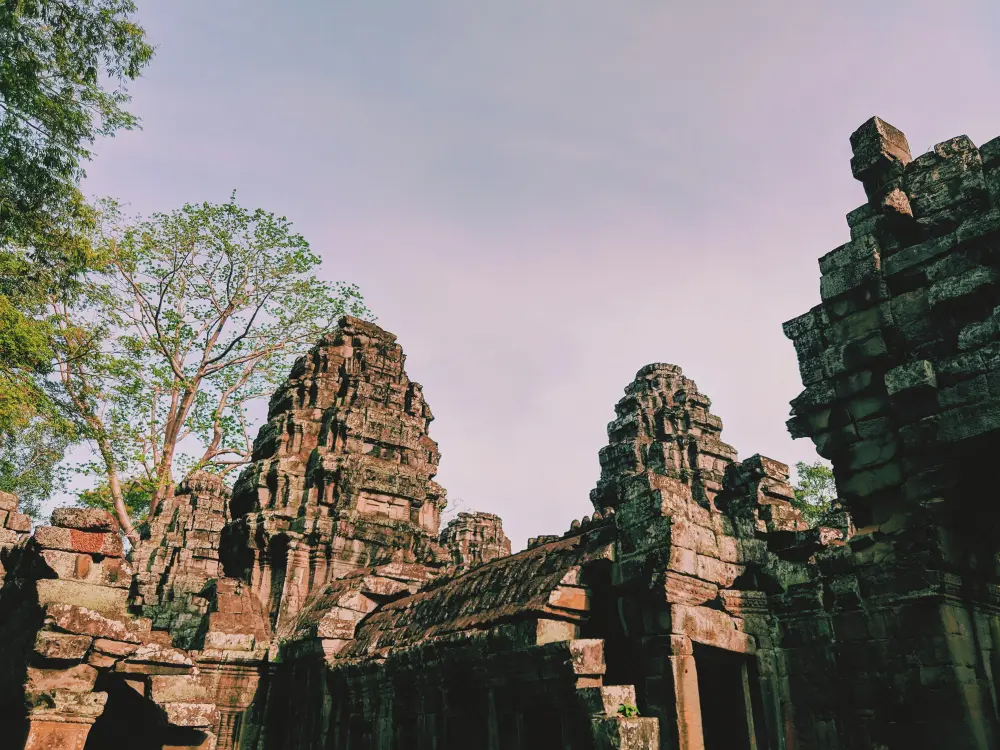
Many visitors come first for the temples of Angkor. Jaya House River Park is one of the stays travellers often choose while exploring the region.
Browse our rooms or enquire directly for more information.