

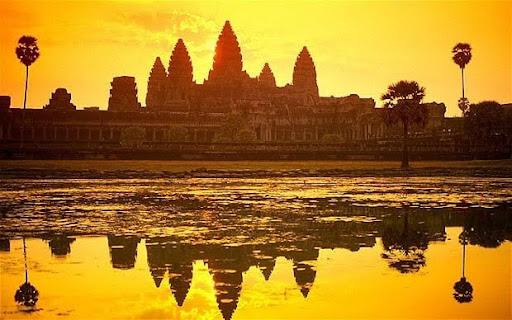
Siem Reap is often introduced through the same familiar images: sunrise at Angkor Wat, crowded temple circuits, and rushed sightseeing schedules that try to fit everything into a short stay. While these highlights are absolutely worth experiencing, they represent only one layer of a destination that is far more complex and lived-in than most itineraries suggest. Beyond the temples lies a rhythm of daily life shaped by markets, rivers, villages, and neighbourhoods that reveal a more grounded version of Cambodia.
This guide is designed to reflect a slower, more balanced way of exploring Siem Reap. Instead of treating the city as a checklist of attractions, it encourages a more intentional flow between heritage, culture, food, and countryside experiences.
Whether you have three, four, or five days, the focus is on helping you move beyond surface-level sightseeing and into something that feels more connected to place, people, and everyday life.
Why Standard Itineraries Miss the Best Experiences
Most itineraries in Siem Reap are built around efficiency rather than experience, which often results in rushed temple visits and very little time spent understanding the local context. This approach can make the journey feel full but not necessarily meaningful, especially for travellers who want more than just photographs. When you slow down, the city reveals layers that are often missing from standard travel plans.
Focus Too Heavily on Angkor Wat
Angkor Wat is undeniably one of the most remarkable heritage sites in the world, but many itineraries treat it as the entire destination rather than part of a larger historical landscape. This leads to schedules that prioritise quick visits over deeper exploration, often missing the surrounding temples that hold equal cultural significance. The Angkor complex is vast, and its value lies not only in its most famous structure but in the interconnected history across hundreds of sites.
A more balanced approach allows you to appreciate scale, symbolism, and variation instead of rushing through a single highlight. It also helps reduce the fatigue that often comes from trying to see too much in too little time.
Rush Through Local Culture
Many travel plans move quickly from temple to temple without leaving space for Siem Reap town itself, which is where everyday Cambodian life becomes visible. Markets, cafés, workshops, and small neighbourhood streets offer a completely different perspective from the archaeological park. These spaces are where you begin to understand how modern life and tradition coexist.
Without time built into the itinerary, these cultural layers are often skipped entirely. That means travellers leave with a strong impression of ancient history but little understanding of the present-day culture that surrounds it.
Miss Everyday Local Experiences
Some of the most meaningful parts of Siem Reap are not part of formal attractions but are instead woven into daily routines. Early morning market activity, monks walking through quiet streets, and riverside sunsets all offer moments of stillness that are easy to overlook. These experiences are not dramatic, but they are often the ones that stay with travellers the longest.
This is where a slower travel approach makes a difference. It allows space for observation rather than constant movement, which changes how the destination is experienced.
What to Do in Siem Reap Cambodia in 3 Days
A three-day stay in Siem Reap is short, but it can still feel complete if the focus shifts from quantity to balance. Instead of trying to see everything, the goal is to experience a mix of temples, culture, and countryside that reflects the essence of the region.
Day 1: Explore Angkor Wat, Angkor Thom, and Ta Prohm
The first day is best dedicated to the Angkor Archaeological Park, where early morning starts help avoid both heat and crowds. Angkor Wat at sunrise is a powerful introduction, not just because of its beauty but because of its scale and symmetry that gradually reveal themselves in soft light.
From there, Angkor Thom offers a different architectural and emotional experience, especially at the Bayon Temple where stone faces appear from every direction. Ta Prohm then shifts the mood again, where nature has overtaken stone and created a sense of quiet unpredictability. Spending time rather than rushing between these sites changes the entire experience, allowing each space to feel distinct.
Day 2: Visit Local Markets, Cafés, and Cultural Attractions While Visiting Siem Reap
After a full day of temples, the second day introduces a slower and more human side of Siem Reap. The Old Market area is a good starting point, where daily commerce unfolds in a way that feels unfiltered and local. It is here that you see how food, spices, textiles, and household goods come together in a single space.
Throughout the day, the café scene offers a modern contrast, where traditional flavours are often reinterpreted in contemporary settings. Small galleries and artisan spaces also provide insight into local craftsmanship, from carving to textile production. For travellers who want a more structured cultural approach without losing flexibility, exploring curated Cambodia tours can help shape a deeper understanding of the region.
Day 3: Discover the Countryside, Tonlé Sap Lake, and Relaxed Riverside Areas
The final day moves beyond the city and into the wider landscape that shapes life in Siem Reap. Tonlé Sap Lake is particularly significant because it demonstrates how entire communities adapt to seasonal water changes, building homes and livelihoods directly on the water.
Visiting these floating villages provides a perspective that is very different from temple exploration, focusing instead on resilience and adaptation. Returning to the riverside in Siem Reap afterwards creates a natural contrast, offering a quieter space to reflect before the end of the trip.
What to Do in Siem Reap Cambodia in 4 Days
With an extra day, the itinerary becomes less compressed and more reflective. This allows for deeper engagement with food, culture, and less-visited areas around the city.
Day 1: Explore Angkor Wat, Angkor Thom, and Ta Prohm
The first day remains focused on the core Angkor experience, but with more time to explore side areas and less crowded corners. This slower pace helps reveal architectural details and spatial complexity that are often missed during rushed visits.
Day 2: Experience Local Food, Markets, and Cambodian Culture
This day focuses on the living culture of Siem Reap, starting with local food experiences that reflect both tradition and adaptation. Dishes like amok and lok lak are often prepared differently across small family-run restaurants, showing regional variation within Cambodian cuisine.
Markets, workshops, and neighbourhood streets offer further insight into daily life. Staying at a luxury boutique hotel provides a comfortable base that makes it easier to transition between cultural exploration and rest without feeling rushed.
Day 3: Visit Tonlé Sap Lake and Nearby Villages
This day focuses on the relationship between water and community life. Tonlé Sap Lake is not only a natural landmark but also a living system that supports entire villages.
Nearby communities show how people adapt to changing water levels throughout the year. This creates a deeper appreciation of how geography directly influences culture and daily routines.
Day 4: Enjoy Hidden Temples and Less-Visited Areas Around Siem Reap
The final day is dedicated to quieter temples outside the main Angkor circuit. These sites are often less crowded, allowing for a more personal and uninterrupted experience.
Without the pressure of major tourist flows, these temples feel more reflective. They also help complete the broader picture of the Angkor civilisation beyond its most famous landmarks.
What to Do in Siem Reap Cambodia in 5 Days
A five-day itinerary allows for a more relaxed rhythm where exploration and downtime coexist naturally. It is less about fitting everything in and more about allowing the destination to unfold gradually.
Day 1: Explore Angkor Wat, Angkor Thom, and Ta Prohm
The journey begins with the essential temple experience, which sets the historical foundation for the rest of the trip. Spending more time in fewer locations helps reduce fatigue and increases appreciation for detail and scale.
Day 2: Experience Local Food, Markets, and Cambodian Culture
This day shifts fully into everyday life, from morning markets to evening street food. It is also a good opportunity to explore smaller creative spaces and community-driven initiatives across the city.
Day 3: Visit Tonlé Sap Lake and Nearby Villages
This day provides deeper exposure to Cambodia’s water-based communities. Observing daily life here reveals how closely people are connected to environmental cycles.
Day 4: Discover Hidden Temples Beyond the Main Tourist Circuit
Less-visited temples offer a quieter alternative to the main Angkor sites. These spaces allow for reflection and a slower pace of travel that contrasts with earlier days.
Day 5: Slow Down With Local Neighbourhoods, Shopping, and Wellness Experiences
The final day is intentionally unstructured, focusing on rest and exploration. Walking through local neighbourhoods or exploring small shops provides a grounded way to close the journey.
A calm base like in the central Siem Reap location makes this kind of slow travel much easier, since everything remains accessible without long transfers.
Why You Should Follow a Local-Focused Siem Reap Trip Planner
- Balance Between Famous Attractions & Local Experiences: Balancing major landmarks with daily life experience creates a fuller understanding of the destination. It prevents the trip from feeling like a checklist and turns it into an experience with depth.
- Spend Less Time Travelling Between Overcrowded Stops: A more thoughtful structure reduces unnecessary movement and helps avoid peak congestion at popular sites. This makes the experience more comfortable and less physically draining.
- Discover Places That Many Miss: Local-focused planning opens access to neighbourhoods, hidden temples, and cultural experiences that are often absent from mainstream itineraries. These often become the most memorable part of the journey.
Make Jaya House Your Base for Visiting Siem Reap
Choosing where to stay in Siem Reap shapes how you experience each day, especially when combining early temple visits with slower cultural exploration. A well-located and calm base allows you to move easily between activities without feeling rushed or disconnected.
Jaya House offers a more considered approach to hospitality, where comfort, sustainability, and atmosphere are part of the overall travel experience. Its central location makes it convenient to access both the Angkor temples and the city’s cultural areas, reducing travel time and improving flexibility.
At the same time, staying in a luxury boutique hotel in Siem Reap supports a slower and more intentional way of travelling, where rest and exploration are equally valued. This balance is what allows a trip to Siem Reap to feel not just complete, but genuinely memorable.

.jpg)
.jpg)

