

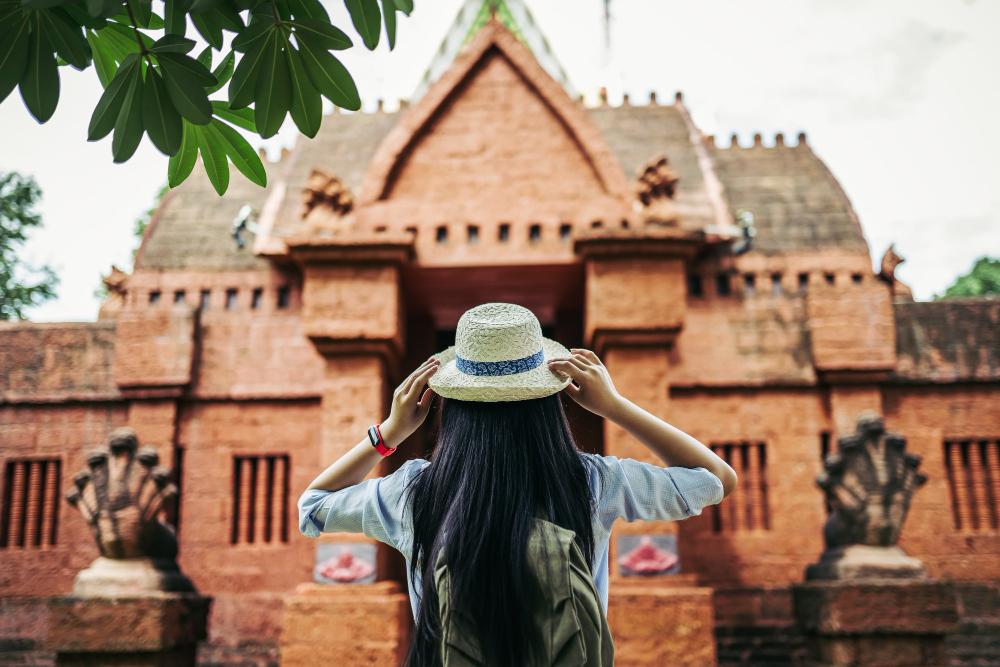
Planning a trip to Cambodia often comes with one important question: is it safe to travel to Cambodia? It is a fair question, especially when news about border tensions and travel advisories can make the situation seem more complicated than it is.
For many visitors, Cambodia remains a rewarding destination, and Siem Reap continues to welcome travellers exploring Angkor Wat, local culture and the city’s relaxed charm. Knowing where to take extra care, what areas to avoid and how to travel wisely can make all the difference.
Is It Safe to Travel to Cambodia Right Now?
Yes, it is safe to travel to Cambodia right now for international tourists visiting major cultural destinations like Siem Reap, Phnom Penh, Kampot, and the coastal islands. While official advisories urge basic precautions due to urban petty crime, key tourist corridors remain peaceful, secure, and fully operational.
Official government guidance encourages travelers to stay vigilant and exercise normal precautions while enjoying their stay. International diplomatic advisories also keep Cambodia under Level 2, which is the exact same rating applied to major global tourist hubs across Europe and Asia.
What Areas of Cambodia Are Safe to Visit?
The safest areas to visit in Cambodia are its primary tourist corridors, including Siem Reap, Phnom Penh, Kampot, Kep, and Koh Rong. These regions feature tourism police, clear infrastructure, and hospitable communities tailored to international visitors.
Siem Reap
Siem Reap is widely recognized as one of the safest and most pedestrian-friendly tourist destinations in Southeast Asia. The city relies heavily on temple tourism, maintaining a peaceful atmosphere. Central areas like Pub Street, the Night Market, and the Siem Reap River promenade are safely walkable at night. Traditional tuk-tuks and ride-hailing apps provide reliable transport across town.
Additionally, returning after a full day of temple exploration to peace of mind at our boutique sanctuary allows you to unwind in comfort, backed by dedicated staff and continuous on-site security.
Phnom Penh
Phnom Penh is generally safe for tourists who practice routine urban awareness while exploring its grand palaces, markets, and historic riverfront. For travellers wondering whether Phnom Penh is safe, violent incidents targeting tourists are uncommon, although the capital sees more opportunistic theft, particularly in crowded areas and busy traffic. As with travelling anywhere in Cambodia, keeping valuables secure and staying aware of your surroundings can help ensure a comfortable visit. Overall, Cambodia is safe for tourists who take sensible precautions while exploring the country.
Bag-snatching by passing riders on motorbikes remains the capital's top petty crime concern. Travelers can easily prevent this by keeping personal items secure, avoiding holding mobile phones loosely near open roadways, and utilizing covered tuk-tuks during nighttime transit.
Kampot and Kep
Kampot and Kep are safe, serene, and welcoming for international tourists seeking relaxed countryside escapes. These quiet coastal communities report negligible tourist-related crime, allowing travelers to explore local pepper farms, national park trails, and quiet riverfronts with total confidence.
Sihanoukville and the Islands
The offshore islands of Koh Rong and Koh Rong Sanloem are safe and peaceful for resort holidays, though mainland Sihanoukville requires elevated caution. While island resort sanctuaries offer secure beach environments, mainland Sihanoukville's rapid commercial developments mean travelers should arrange pre-booked transfers rather than wandering unfamiliar zones at night.
What Areas of Cambodia Should Tourists Avoid?
While mainstream tourist corridors are safe and welcoming, foreign visitors should strictly avoid isolated land border zones, unmarked rural fields, and unguided off-path explorations.
Cambodia–Thailand Border Areas
All cambodia travel advisory almost always stated that Tourists must avoid areas within 20 to 50 kilometers of the Thai-Cambodian border due to active military exclusion advisories, historical landmine risks, and intermittent border disputes. Advisories from diplomatic agencies explicitly urge travelers to defer non-essential travel to these specific frontier zones.
It is vital to note that these conflict warnings apply strictly to isolated northern border checkpoints. Popular cultural destinations like Siem Reap are located over 150 kilometers away, operating in complete peace and security under full local police protection.
Remote Areas With Landmines
Remote rural fields outside marked national parks can still contain unexploded ordnance (UXO) and landmines left behind from 20th-century conflicts. While all major tourist sites and urban centers are 100% cleared, remote farmland in northwestern provinces still poses hazards.
Travelers should strictly stick to marked paths, paved roads, and well-traveled trails when exploring provincial landscapes. Never touch suspicious metal objects, and always hire an accredited local guide when trekking through rural areas.
Remote Temple and Rural Areas
Visiting remote temples is generally safe when done with licensed local tour operators, but traveling unassisted into deep rural villages without local guidance is discouraged. Unassisted travelers risk getting lost on unpaved roads with zero emergency roadside assistance or cellular signal.
How Can Tourists Stay Safe in Cambodia?
Tourists can stay safe in Cambodia by securing personal valuables during transit, booking verified accommodation transfers, using tracked ride-hailing apps, and maintaining proper hydration under the tropical sun. Practicing basic travel common sense eliminates virtually all potential security concerns.
- Guard Belongings in Transit: Keep bags tucked toward the center of tuk-tuks and hold cameras or mobile phones securely away from open street edges.
- Book Trusted Accommodations: Choosing an established hoteliers guarantees access to award-winning service and amenities, certified temple guides, and dependable private airport transfers.
- Use Official Transport Apps: Download ride-hailing applications like Grab or PassApp for tracked urban journeys with transparent, pre-determined fares.
- Register with Your Home Embassy: Prior to departure, register your travel itinerary online with your country's embassy or foreign affairs department to ensure direct consular communication and support during unexpected emergencies.
Staying with an established hotel such as Jaya House River Park gives guests access to reliable private airport transfers, assistance with arranging temple excursions, and a team familiar with getting around Siem Reap safely and comfortably.
Explore Siem Reap With More Confidence at Jaya House River Park
So, is it safe to travel to Cambodia? The answer is yes, as long as you stay informed, take sensible precautions and pay attention to current travel advisories. Siem Reap remains a welcoming place to experience Angkor Wat, local culture and the city’s laid-back charm, while certain border areas require more caution.
Where you stay can also make exploring easier. Jaya House River Park offers a peaceful riverside setting, warm local hospitality and complimentary tuk-tuk rides into town, giving you a comfortable base between days of sightseeing. If you’re planning your Siem Reap visit, explore our official website to discover a boutique stay that makes it easier to experience the best of Cambodia with confidence.
FAQs
Do I Need Travel Insurance for Cambodia?
Yes, comprehensive travel insurance is strongly recommended when travelling to Cambodia. A good policy can cover unexpected medical costs, emergency evacuation, trip cancellations, lost luggage, and other travel disruptions. While routine medical care in tourist areas such as Siem Reap can be relatively affordable, serious illness or injury may require treatment or medical transfer to Bangkok or another regional medical hub. Checking your policy before departure is an important part of cambodia safety planning.
What Should I Wear When Visiting Temples in Cambodia?
You must wear modest clothing that covers your shoulders and knees when visiting active temples, including Angkor Wat and the Royal Palace in Phnom Penh. Sacred sites strictly enforce traditional dress codes, so sleeveless shirts, shorts, and tight activewear will prevent you from entering main sanctuary towers.
What Should I Do If I Lose My Passport in Cambodia?
If you lose your passport in Cambodia, report the loss to the local police and contact your country's embassy or consulate in Phnom Penh as soon as possible. You may need a police report and supporting identification to apply for an emergency passport or travel document. Before your trip, keep digital copies of your passport and other important travel documents in a secure location. Checking your government's latest cambodia travel warning before departure is also a useful precaution.
Is Cambodia Safe to Travel Alone as a Woman?
For many travellers, cambodia safe to travel concerns can be addressed with the same precautions you would take when travelling independently elsewhere in Southeast Asia. Cambodia is generally welcoming to solo female travellers, although petty theft, scams, traffic, and isolated areas can still present risks. Siem Reap safe conditions are generally comfortable for visitors, particularly in the main tourist areas, but normal travel awareness is still important.
Is Cambodia Safe for Tourists?
Yes, cambodia safe for tourists is a reasonable assessment for most visitors who take sensible precautions. Tourist areas such as Siem Reap are accustomed to international travellers, but visitors should remain alert to common risks such as pickpocketing, bag snatching, scams, traffic, and occasional petty crime. Before travelling, check the latest cambodia travel warning issued by your government, as conditions and travel advice can change. Overall, staying informed and using common-sense precautions is the best approach to cambodia safety.

.jpg)
.jpg)

